
OUR PRODUCT - PAULOWNIA
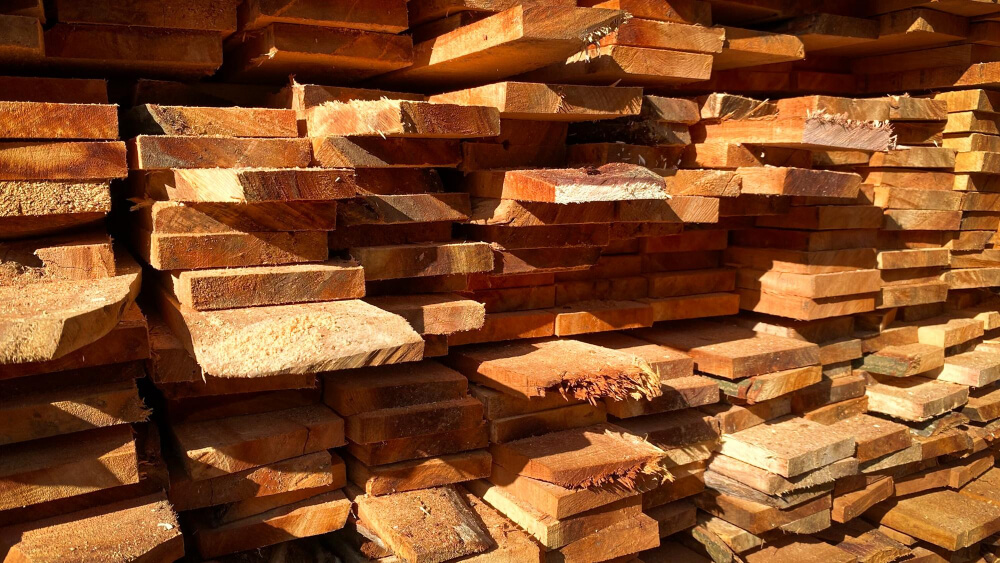
Paulownia refers to all species within the Paulownia genus, originally native to Asia. These fast-growing, deciduous trees can reach heights of up to 15 meters and have a lifespan of up to 100 years.
They are characterized by straight trunks, smooth bark, and striking blue flowers. Cultivated in China for over 3,000 years, Paulownia was introduced to Europe in the mid-19th century by naturalist and Japanologist Philipp Franz von Siebold.
He named the tree after Anna Pavlovna, daughter of the Russian Tsar. In Europe, Paulownia quickly gained popularity as an ornamental tree. It became a favorite of Emperor Franz Joseph I, who had it planted in the parks and gardens of the Austro-Hungarian Monarchy, leading to its common name, the “Emperor Tree.”
In Japan, Paulownia is known as “Kiri” and symbolizes luck and fertility. A long-standing tradition involves planting a Kiri tree at the birth of a child. When the child grows up and has offspring of their own, the tree’s wood is used to craft a cradle for the next generation.
OUR PRODUCT - PAULOWNIA
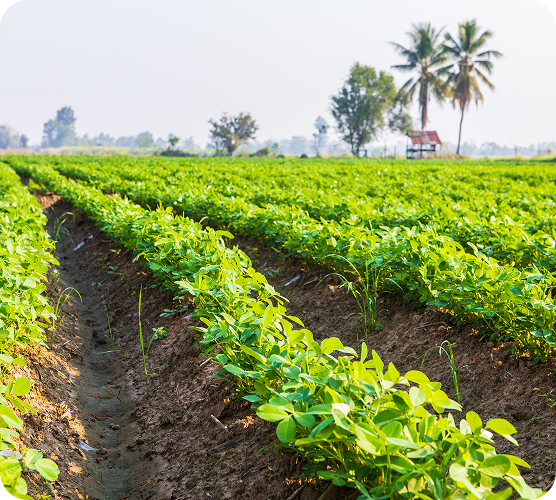
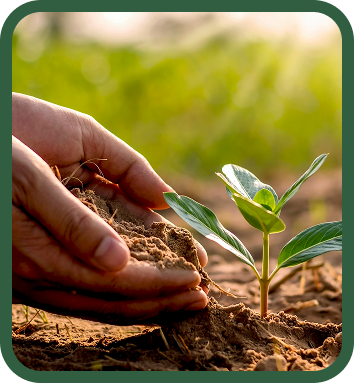
Paulownia refers to all species within the Paulownia genus, originally native to Asia. These fast-growing, deciduous trees can reach heights of up to 15 meters and have a lifespan of up to 100 years.
They are characterized by straight trunks, smooth bark, and striking blue flowers. Cultivated in China for over 3,000 years, Paulownia was introduced to Europe in the mid-19th
century by naturalist and Japanologist Philipp Franz von Siebold.
He named the tree after Anna Pavlovna, daughter of the Russian Tsar. In Europe, Paulownia quickly gained popularity as an ornamental tree. It became a favorite of Emperor Franz Joseph I, who had it planted in the parks and gardens of the Austro-Hungarian Monarchy, leading to its common name, the “Emperor Tree.”
In Japan, Paulownia is known as “Kiri” and symbolizes luck and fertility. A long-standing tradition involves planting a Kiri tree at the birth of a child. When the child grows up and has offspring of their own, the tree’s wood is used to craft a cradle for the next generation.
OUR PRODUCT - USAGE
Paulownia wood stands out due to its low weight, making it superior to other wood types in many areas. Its unique physical properties offer a wide range of possibilities, making it a valuable discovery for the growing lightweight construction market. The benefits of weight reduction are particularly advantageous in the following sectors.
Music
instruments
Ski and
Surfboards
Tiny Housing and Caravans
Ships and
Boats
Facts
• Wood hardly works and does not warp
• Extremely light: The ‘aluminium’ among woods. Density at 12% moisture content
• Moisture content: 265 kg/m3
• High burning point: >420ºC. Fire resistance class F120)
• Excellent insulator: heat and sound
• Density: 0.26 kg/cm3
• Hardness: 2.5 k/N
• Bending: 369 Kp/cm2
• Compression: 221 Kg/cm2
• Tensile strength: 11.23 Kp/cm
• Highly resistant to moisture and rotting

Quaility

Q-Class A
Flawless top quality on both
sides for the highest demands.
- Knots: None
- Tree edge: No
- Other features: None
Q-Class B
Paulownia with distinctive wooden features.
- Knots: Permitted
- Tree edge: Minor tree edge parts permitted
- Other characteristics: Superficial pith cut permitted
Q-Class C
Rustic Paulownia with pith One side.
- Knots: Permitted
- Tree edge: Tree edge parts permitted
- Other features: with pith cut
Tailor made ecoTree Paulownia sawn for our clients offering interior design, musical instruments, designer furniture and boats.
Paulownia on your fingertips. Please contact us for any price queries or questions directly and our Consultants will support you to find the best solution for your needs
The ecoTrees Paulownia sawn timber standard:
- Rough sawn and edged on both sides
- Kiln dried, 8-12% wood moisture content
- Sustainable european plantation management
ecoTrees can supply our sawn timber on request:
- Planted
- Sanded
- Brushed
Facts
• Wood hardly works and does not warp
• Extremely light: The ‘aluminium’ among woods. Density at 12% moisture content
• Moisture content: 265 kg/m3
• High burning point: >420ºC. Fire resistance class F120)
• Excellent insulator: heat and sound
• Density: 0.26 kg/cm3
• Hardness: 2.5 k/N
• Bending: 369 Kp/cm2
• Compression: 221 Kg/cm2
• Tensile strength: 11.23 Kp/cm
• Highly resistant to moisture and rotting
Quaility

Q-Class A
Flawless top quality on both
sides for the highest demands.
- Knots: None
- Tree edge: No
- Other features: None
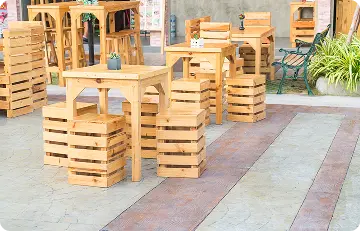
Q-Class B
Paulownia with distinctive
wooden features.
- Knots: Permitted
- Tree edge: Minor tree edge parts permitted
- Other characteristics: Superficial pith cut permitted
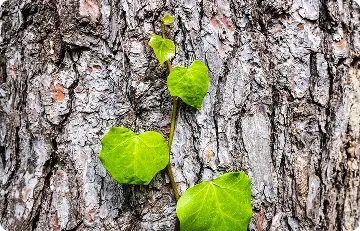
Q-Class C
Rustic Paulownia with pith One side.
- Knots: Permitted
- Tree edge: Tree edge parts permitted
- Other features: with pith cut
Tailor made ecoTree Paulownia sawn for our clients offering interior design, musical instruments, designer furniture and boats.
Paulownia on your fingertips. Please contact us for any price queries or questions directly and our Consultants will support you to find the best solution for your needs
The ecoTrees Paulownia sawn timber standard:
- Rough sawn and edged on both sides
- Kiln dried, 8-12% wood moisture content
- Sustainable european plantation management
ecoTrees can supply our sawn timber on request:
- Planted
- Sanded
- Brushed
Products
The ecoTrees Featured Products
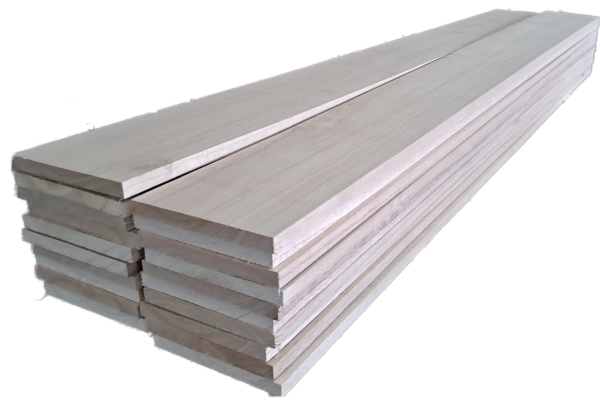
Paulownia boards – Planed
Custom Paulownia boards: planed, various sizes and thicknesses.
- Sustainable source: Absorbs 10 times more CO2 than any other species.
- Fine and smooth grain: Excellent for paints, varnishes, and lacquers.
- Resilient: Highly resistant to moisture and decay.
- Extremely light: The “aluminum” of woods. Apparent density at 12% moisture content: 260 kg/m3.
- High combustion point: over 450ºC.
- Excellent insulator: thermal and acoustic.

Paulownia Edge Glued panel 40mm
30mm paulownia edge glued panel. Extremely light, solid and stable.
- Sustainable source: Absorbs 10 times more CO2 than any other species.
- Fine and soft grain: Admits very well paints, varnishes and lacqers
- Resistant: Great resistance to moisture and putrefaction.
- Light: The “aluminum” of the woods.
- High combustion point: Ideal for bases of fireproof doors.
- Insulator: Thermal and acoustic.
- Apparent density at 10% humidity: 260 kg / m3, very light wood.
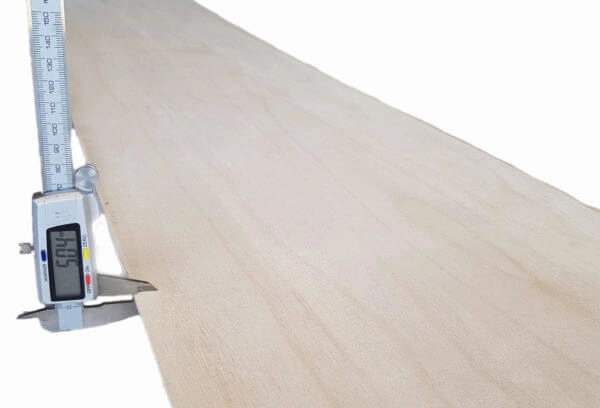
Paulownia boards for wooden surfboards
Paulownia Wood Boards for Hollow Wooden Surfboards
- Sustainable Sourcing: Locally grown wood that absorbs 10 times more CO2 than any other tree.
- Fine and Smooth Grain: Accepts very well paints, varnishes, and lacquers.
- Resilient: Highly resistant to moisture and decay.
- Extremely Lightweight: The “aluminum” of woods: 260 kg/m3.
- Practically Knot-Free.
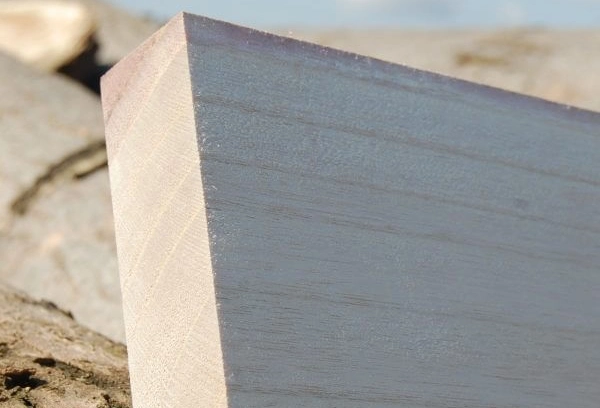
Paulownia Edge Glued panel 30mm
30mm paulownia edge glued panel. Extremely light and strong.
- Sustainable source: Absorbs 10 times more CO2 than any other species.
- Fine and soft grain: Admits very well paints, varnishes and lacqers
- Resistant: Great resistance to moisture and putrefaction.
- Light: The “aluminum” of the woods.
- High combustion point: Ideal for bases of fireproof doors.
- Insulator: Thermal and acoustic.
- Apparent density at 10% humidity: 260 kg / m3, very light wood.

Paulownia Edge Glued panel 25mm
25mm paulownia edge glued panel. Extremely light and strong.
- Sustainable source: Absorbs 10 times more CO2 than any other species.
- Fine and soft grain: Admits very well paints, varnishes and lacqers
- Resistant: Great resistance to moisture and putrefaction.
- Light: The “aluminum” of the woods.
- High combustion point: Ideal for bases of fireproof doors.
- Insulator: Thermal and acoustic.
- Apparent density at 10% humidity: 260 kg / m3, very light wood.
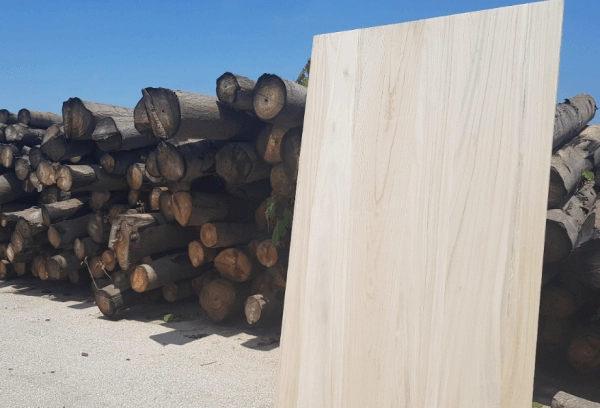
Paulownia Edge Glued panel 18mm
18mm paulownia edge glued panel. Extremely light, strong and flexible.
- Sustainable source: Absorbs 10 times more CO2 than any other species.
- Fine and soft grain: Admits very well paints, varnishes and lacqers
- Resistant: Great resistance to moisture and putrefaction.
- Light: The “aluminum” of the woods.
- High combustion point: Ideal for bases of fireproof doors.
- Insulator: Thermal and acoustic.
- Apparent density at 10% humidity: 260 kg / m3, very light wood.

Guitar body blank (2 pieces)
If you are looking for a lightweight guitar body with top tonal characteristics, paulownia is your tonewood!
- Sustainable source: Paulownia wood grown locally. Absorbs 10 times more CO2 than any other species.
- Fine and soft grain: Admits very well paints, varnishes and lacqers
- Resistant: Great resistance to moisture and putrefaction.
- Light: The “aluminum” of the woods. Apparent density at 12% humidity: 256 kg / m3

Solid paulownia wood table top
Solid paulownia wood table top; Made of 100% sustainable paulownia wood grown in Spain.
These paulownia wood table top are perfect to create a solid wooden table, kitchen or bathroom counter.
- Lengths: from 0,5 meter to 3 meters.
- Widths: Up to 2 meters
- Thicnesses: from 1cm to 10m.

Paulownia Blanks for surfboards – 5mm panels
Paulownia blanks for surfboards; the wood of choice for wooden surfboard shapers because once its shaped and oiled, it doesn’t soak up salt water.
- Paulownia blanks are edge glued panels of full vertically laminated strips (no joints).
- Thicknesses available from 4mm.
- Practically knot-free.
- Extremely light, strong and flexible.
- Sustainable paulownia wood grown in Spain.
PAULOWNIA, KIRI, BLUEBELL TREE, EMPEROR TREE – MANY NAMES FOR ONE SPECIAL TREE
Paulownia is the name for all species of the Paulownia family, which are originally native to Asia. The rapidly growing trees are summer green, can reach a height of up to 15 meters and can live up to 100 years. Their trunks grow straight, the bark is smooth and the tree’s flowers are blue. The Paulownia, which has been cultivated in China for more than 3,000 years, has also been known in this country since the middle of the 19th century, when the naturalist and Japanologist Philipp Franz von Siebold brought it to Europe. Here it quickly became very popular as an ornamental plant. It was Siebold who named the tree Paulownia, after the Russian Tsar’s daughter Anna Pavlovna. The exotic tree became the favorite tree of Emperor Franz Joseph I, who had it planted in the parks and gardens of the Austro-Hungarian Monarchy – hence the name Emperor Tree. In Japan the tree is called Kiri and is considered a symbol of luck and fertility. After the birth of a child, a Kiri is planted – if this child later has offspring of its own, the wood of the tree is used to make the cradle for the new baby.
Quaility
The ecoTrees Paulownia sawn timber
IN COMPARISON
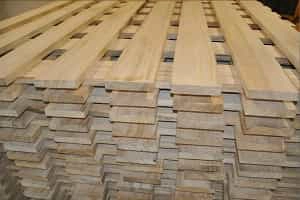
Compared to oak, the Paulownia tree is about half as heavy, but almost as hard. Carpenters particularly appreciate the fact that screws can be placed close to the edge of a board without the wood splintering. The grain is open-pored and the wood is honey-colored, occasionally streaked with purple veins.
Paulownia is not susceptible to rot and does not warp like pine, making it ideal for flooring or yacht decks. Its ignition temperature is much higher than that of oak and it is used as a highly fire-resistant material for the interior of fire doors with a fire resistance rating of F120.
PAULOWNIA ON THE GLOBAL MARKET
The majority of demand for Paulownia is in China and Japan, but the European market share is also growing rapidly, as the properties of this wood have proven to be an excellent choice for fine wooden decks on boats, moldings, skis, instruments and furniture manufacturing.
Paulownia is a strong and lightweight building material. Longer rotation periods increase the value of the wood significantly. Particularly high prices are paid for trunks that are at least two meters long and have a diameter of 30 to 40 centimeters. The price of the tree increases with the length, diameter and age.

WHAT IS PAULOWNIA USED FOR?
Paulownia is always in high demand, also because of the variety of possible uses
- Luxury and designer furniture
- Skis and snowboards
- Musical instruments, especially guitars and the Japanese Koto
- Interiors of luxury cars (Maybach, Bentley, Rolls Royce)
- Yacht decks
- Surfboards
- Building materials such as scaffolding and wood paneling
- Wood veneer
- Fireproof doors